DIY Pool Cleaning Tips: Keeping Your Pool Pristine Year-Round


Understanding Your Pool's Needs
Maintaining a pristine pool year-round requires understanding its unique needs. The size of your pool, the surrounding environment, and how often it's used all play a role in determining the cleaning routine. By tailoring your cleaning practices to these factors, you ensure that your pool remains inviting and safe for swimmers.
Regular maintenance is crucial in preventing algae growth and keeping the water crystal clear. A combination of proper filtration, consistent chemical balance, and routine cleaning will help you achieve a sparkling pool.
Essential Tools for DIY Pool Cleaning
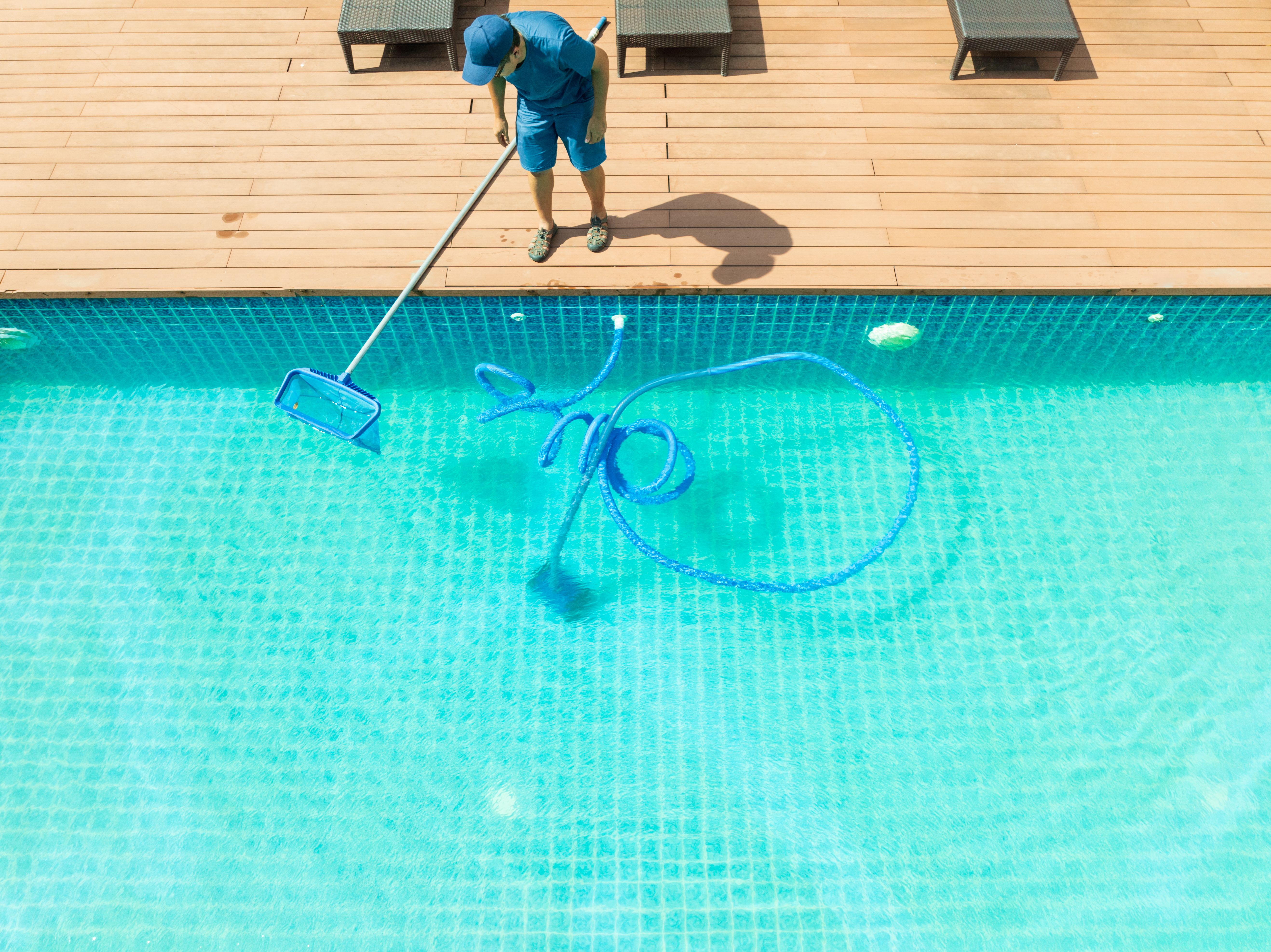
Before diving into pool maintenance, gather the essential tools. A sturdy pool skimmer, a reliable pool vacuum, and a quality pool brush are absolute must-haves. These tools help you tackle leaves, debris, and stubborn dirt on the pool walls and floor.
Investing in a good pool cover can also make a significant difference. It prevents debris from falling into the water, reducing the frequency of cleaning and helping maintain water temperature.
Pool Skimming
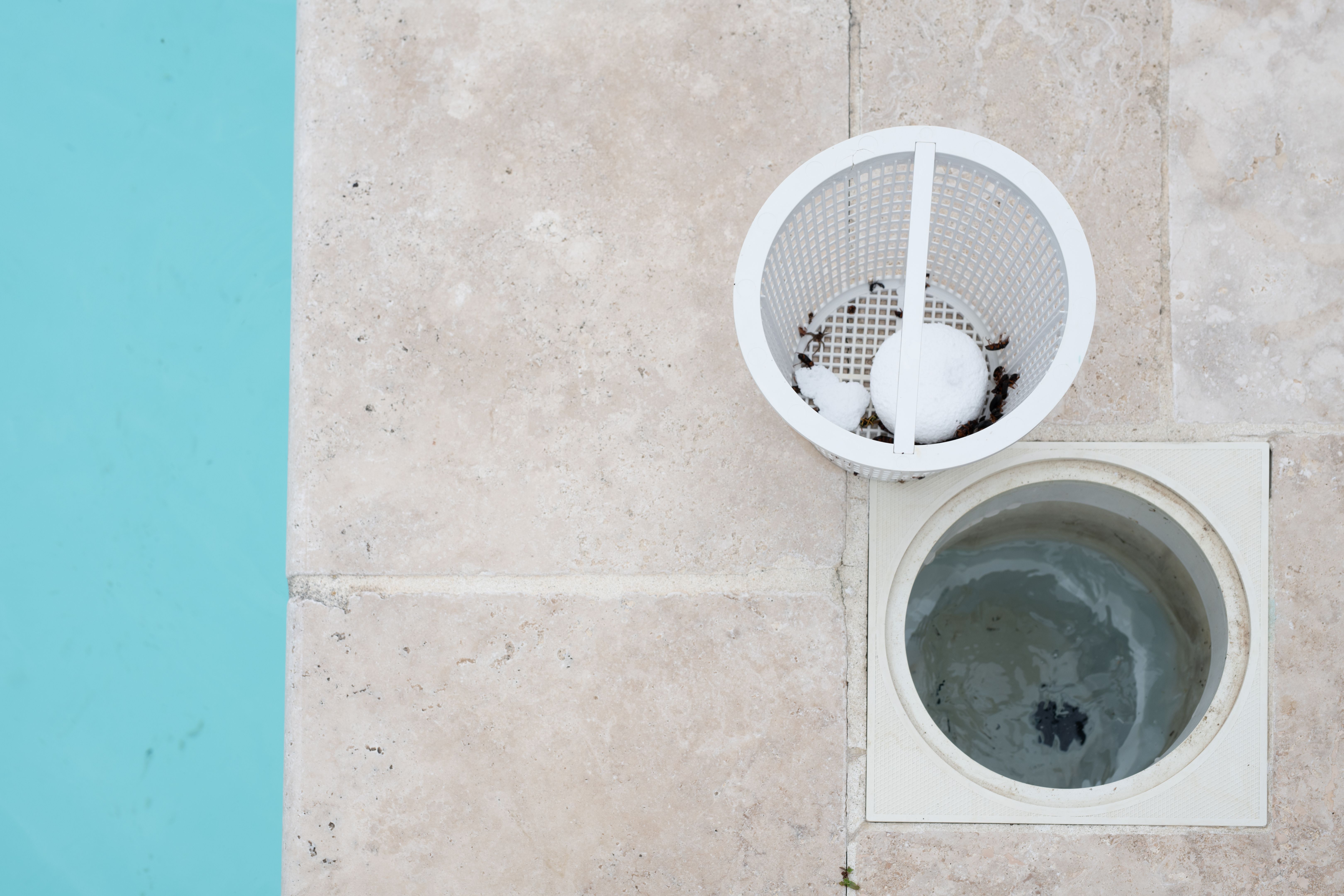
Skimming the surface of your pool regularly is vital. Leaves, bugs, and other debris can quickly accumulate, affecting water quality. Skim your pool daily to keep it clear and reduce the strain on your filtration system.
Maintaining Chemical Balance
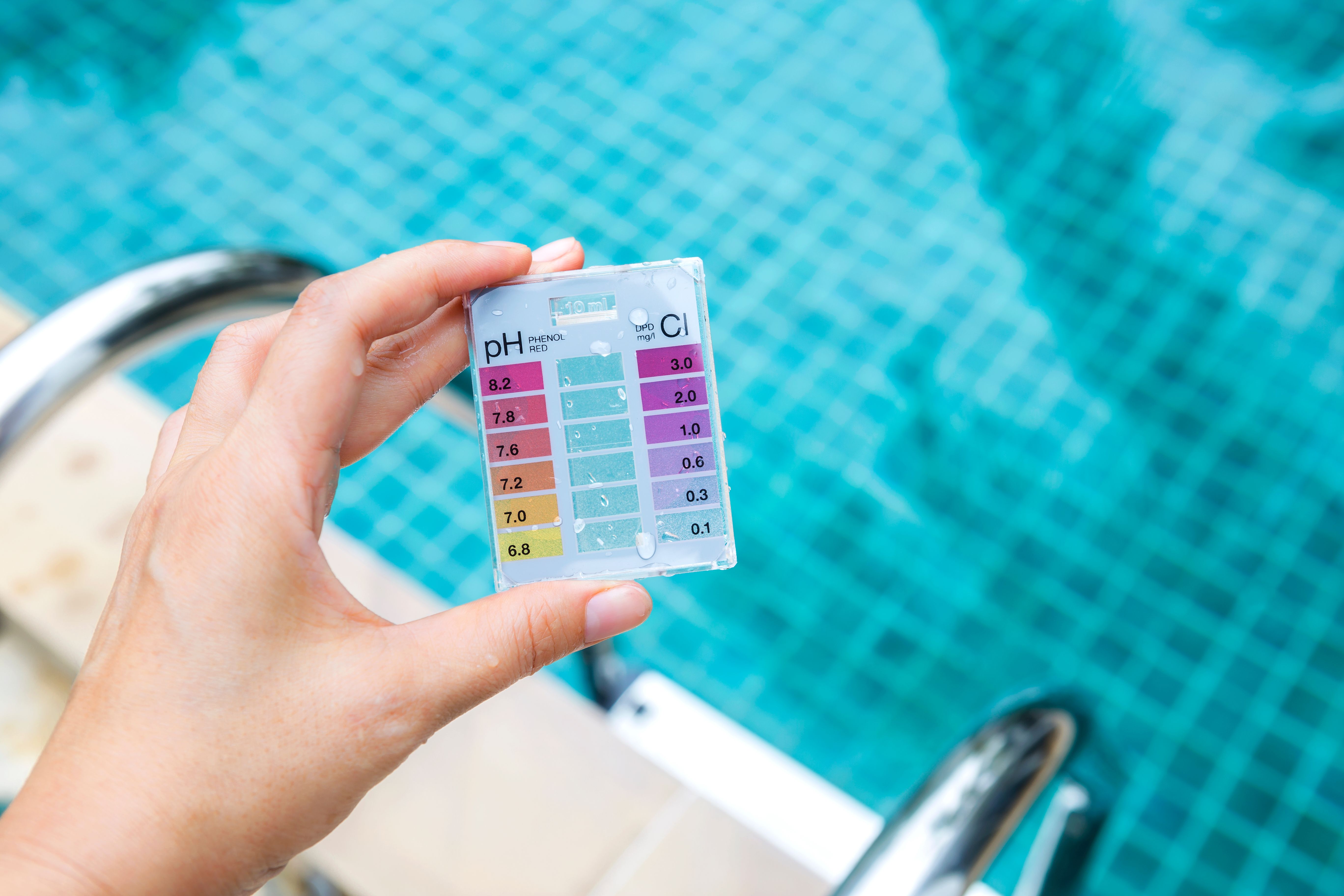
Keeping your pool's chemical levels balanced is key to ensuring clean and safe water. Test the water weekly to monitor pH, chlorine, and alkalinity levels. Adjust as needed to maintain the ideal balance.
Shocking your pool occasionally helps eliminate contaminants and maintain clarity. Follow the manufacturer's instructions for the best results.
pH and Chlorine Levels
The pH level should be between 7.4 and 7.6, while chlorine levels should stay between 1 and 3 parts per million (ppm). Regular testing and adjustment help prevent skin irritation and equipment damage.
Regular Brushing and Vacuuming
Brushing the pool walls and floor every week prevents algae buildup and keeps surfaces clean. Use a brush suitable for your pool's material to avoid damage.
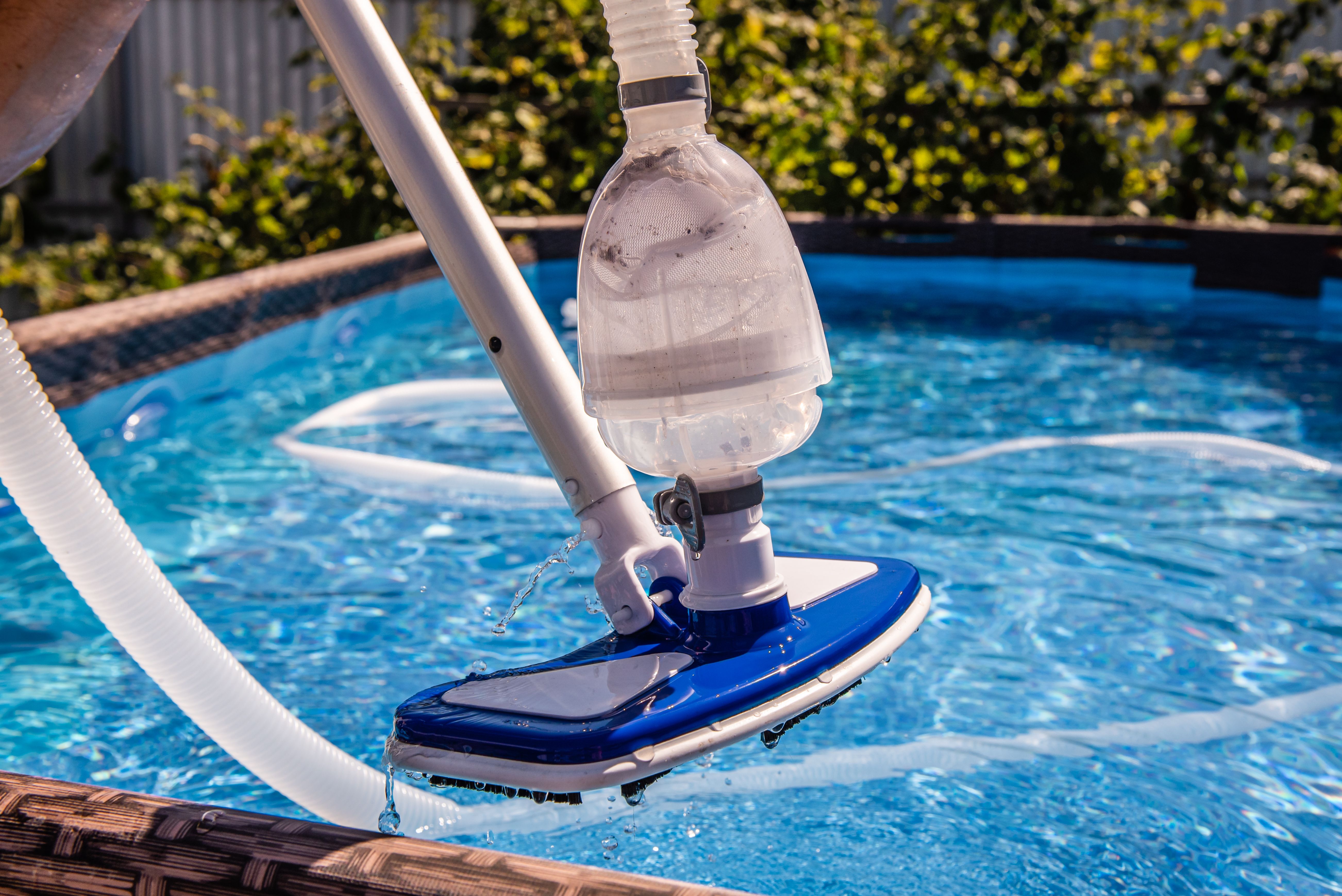
Vacuuming your pool removes debris that settles at the bottom. For a thorough clean, consider investing in an automatic pool cleaner. These devices can save you time and effort while maintaining cleanliness.
Dealing with Stubborn Stains
For tough stains, a combination of elbow grease and specialized cleaning solutions may be necessary. Identify the stain type first, as different stains require different treatments. Always follow product instructions for the best results.